

Your Spring 2026 Exterior Home Maintenance Checklist for Chicago Homeowners

If you are the kind of homeowner who likes to stay ahead of repairs, spring is your season.
After a Chicago winter, small exterior issues tend to show up fast. A little debris in the gutters can turn into overflow. A hairline gap in old caulk can let in water. Mortar joints that looked good enough in the fall can look very different after another freeze-thaw cycle.
The good news is that you do not need to tackle a full exterior remodel to protect your home. A careful spring walk-around can help you catch trouble early, budget smarter, and decide what you can handle yourself versus what needs a pro.
Fast walk-around checklist
Your quick spring exterior checklist
Before you get into the details, here is the short version:

Short version
· Clean gutters and make sure downspouts move water away from the house
· Inspect the roof from the ground and check the attic for leak signs
· Assess brick and mortar for tuckpointing issues
· Check window caulking and exterior trim
· Walk the siding and look for loose, cracked, or wet areas
· Inspect porch railings, stairs, posts, and framing for movement or deterioration
What to bring
A phone camera, gloves, a hose, binoculars, and a slow lap around the house will get you a long way.
Water control first
Clean your gutters and test the drainage
If you only do one exterior maintenance task this spring, start here.
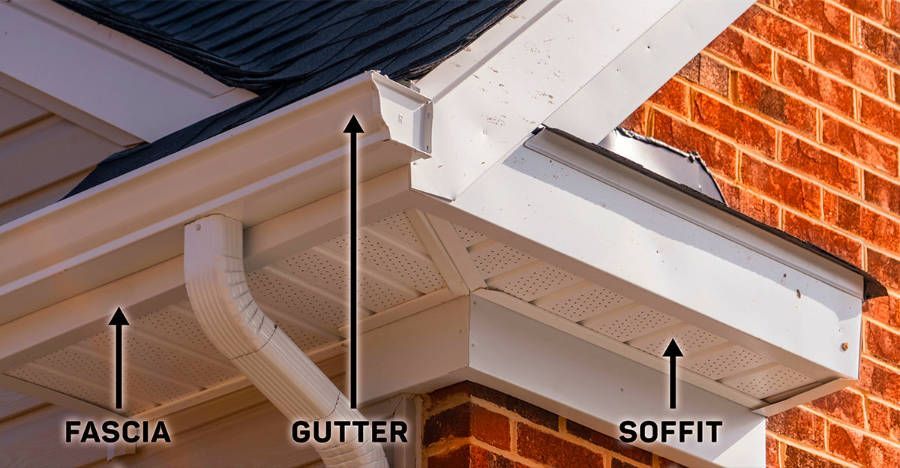
Gutters are one of the simplest systems on the house, but when they are clogged or loose, water starts going where it should not. That can mean fascia damage, foundation issues, basement moisture, landscape washout, and staining on siding or masonry.
What to do
· Remove leaves, seed pods, granules, and other debris
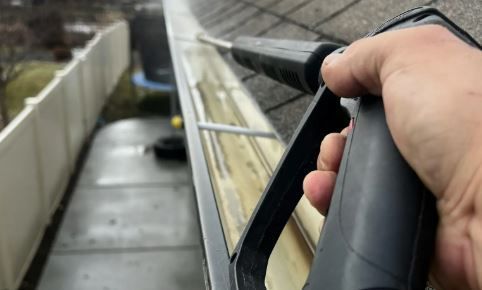
· Flush the gutters with a hose
· Make sure each downspout is flowing freely
· Inspect seams, corners, and end caps for any leaks.
· Verify that water is flowing away from the foundation.
What to watch for
· Sagging sections
· Gutters pulling away from the fascia
· Water flowing behind the gutter rather than into it.
· Pooling near the base of the house
DIY or call a pro?
This is a good DIY task for many homeowners. But if the gutters are high, steep to reach, pulling away from the house, or obviously damaged, it is smarter to bring in help.
Ground-level inspection
Examine the roof from the ground initially, followed by an inspection of the attic
A lot of homeowners think roof inspection means climbing a ladder. It does not.
For a spring check, start from the ground with binoculars. Then head into the attic and look for signs the roof may already be telling you something.

What to check from outside
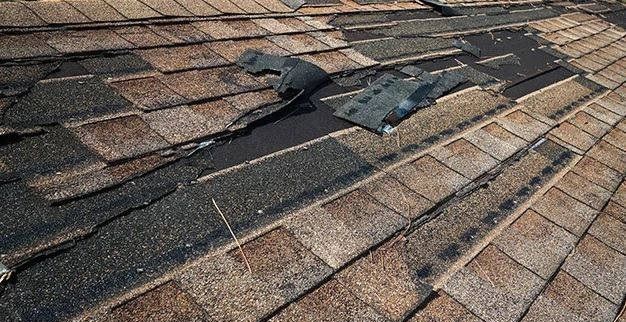
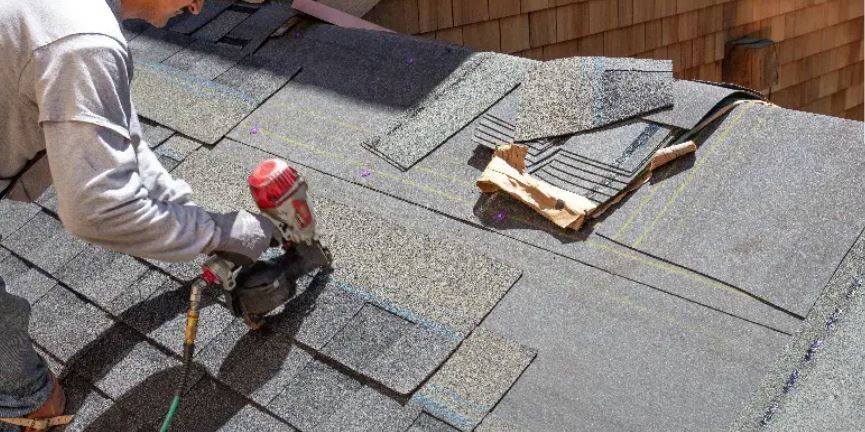
· Missing, cracked, curled, or lifted shingles
· Waterproofing details at chimneys, vents, skylights, and wall junctions.
· Exposed nails
· Storm debris
· Areas where granules seem to be washing out
hat to check inside
· Water staining on decking or rafters
· Damp insulation
· Moldy or musty smells
· Daylight showing through where it should not
asonry check
Assess your brickwork and mortar before small tuckpointing issues spread
Spring is the right time to look closely at brick walls, chimneys, parapets, lintels, and window sills. Mortar often shows wear before brick itself does, and catching it early is much cheaper than waiting until water gets deeper into the wall.

DIY or call a pro?
A visual inspection is very homeowner-friendly. Walking on a roof is not. If you spot active leaking, flashing separation, large areas of shingle damage, or anything that feels unsafe, move that item to the top of your repair list.
hat to look for
· Crumbling mortar joints
· Recessed or missing mortar
· Stair-step cracking
· Loose bricks
· Spalling brick faces
· White residue or moisture staining
Why it matters
Chicago homes take a beating in winter, especially masonry exteriors.
Once mortar joints open up, water can get in. Repeated freezing and thawing can cause the damage to spread faster.
DIY or call a pro?
This is a great inspection item for a homeowner, but not usually a casual repair job. Small cosmetic touch-ups are one thing. Loose brick, failing mortar, chimney deterioration, and visible wall movement should be professionally evaluated.
Sealants and trim
Check window caulking and exterior trim
Window caulking is one of the most overlooked spring maintenance items and one of the easiest ways to stay ahead of leaks and drafts.
Caulk does not last forever. It shrinks, cracks, hardens, and eventually lets go. When that happens, water and air start finding their way in around the window opening.
What to inspect
· Caulk where trim meets siding, masonry, or the frame
· Gaps and cracks in old sealant
· Spots where caulk has pulled away
· Peeling paint on trim
· Soft wood or dark staining on sills and casing
Easy homeowner win
If the joint is small, dry, clean, and stable, this is often a manageable DIY maintenance task.
The key is prep. Remove failed material, clean the area, let it dry, and use the right exterior-grade product.
When it is more than a caulk job
If the trim is rotted, the gap is wide, the same area keeps staining, or the window itself is failing, it is time to look deeper.
Perimeter walk
Walk the siding and check every penetration
That is why a slow perimeter walk matters.
What to look for
· Cracked, warped, buckled, or missing siding
· Loose trim or corner pieces
· Softness near the bottom edge
· Gaps around vents, lights, hose bibs, and utility penetrations
· Mildew streaks or recurring moisture marks
Why the slow walk matters
Siding problems do not always announce themselves with a dramatic hole in the wall.
More often, they show up as a loose panel, repeated staining, a softened area near the bottom edge, or trim that has started to pull away.
DIY or call a pro?
Cleaning and basic observation are DIY-friendly. But if siding is coming loose, there is visible softness behind it, or the same wall keeps showing moisture, that usually points to a larger water-management issue worth addressing correctly.
Structural look
Give your porch a real structural look, not just a cosmetic one
This is especially important if you have an older porch, exterior stairs, or railings that get heavy use.

What to check
· Railings and guardrails for movement or wobble
· Stairs, treads, and stringers for rot, rust, or splits
· Posts and base connections for decay or corrosion
· Framing underneath for sagging, missing hardware, or cracks
· Any area where the porch appears to be pulling away from the house
Homeowner rule of thumb
A porch can look fine from the sidewalk and still have issues where movement, moisture, and age have worked on the structure.
If it moves when it should not move, put it on the list now.
When to stop using it
If railings wobble, stairs shift, structural members are cracked, or connections look compromised, this is not a watch-it-and-see item.
Priority items
Red flags that should move to the top of your spring list
Move these to the top of your spring list
· Active water leaks
· Water running back against the house
· Loose bricks or falling mortar
· Soft or rotted trim
· Repeated water staining
· Soft substrate behind siding
· Wobbling porch rails or shifting stairs
Why sooner matters
Some issues can wait a little while. Others should move to the front of the line.
When moisture and structure are involved, delay usually costs more.
Lead magnet section
Final thought
Stay ahead of small problems before they become expensive repairs
Homeowners who stay on top of small exterior maintenance usually spend less on emergency repairs later.
You do not have to do everything in one weekend. Just take the house one system at a time: water control first, then roof, masonry, windows, siding, and finally the porch.
And when you find something that looks beyond a routine homeowner fix, it helps to get a professional second opinion before the problem gets bigger.
Closing CTA
Need help with roofing, tuckpointing, siding, gutters, windows, or porch repairs in Chicago? Contact Second City Roofing & Exteriors to schedule an exterior inspection.
· Hero image: Exterior of a Red Brick House
· Quick checklist: Person in Yellow Reflective Safety Vest Holding a Pen and Checklist of House Inspection
· Gutters section: Efficient Residential Gutter Cleaning Service
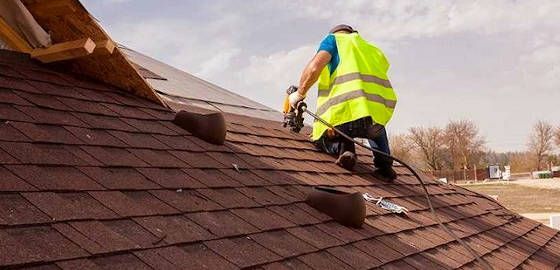
· Roof section: Roofer Working on New House Roof Installation
· Brickwork section: Red Brick Wall with White Mortar Texture
· Windows section: Crop worker applying sealant on the seam of window in house
· Siding section: House with a White Facade Covered with Siding
· Porch section: Porch of a White House
· Red flags section: Water Drops in Gutter
· Download checklist section: A To Do List on a Clipboard
· Final thought section: A Man in Safety Vest and Hard Hat Checking the Front Door